
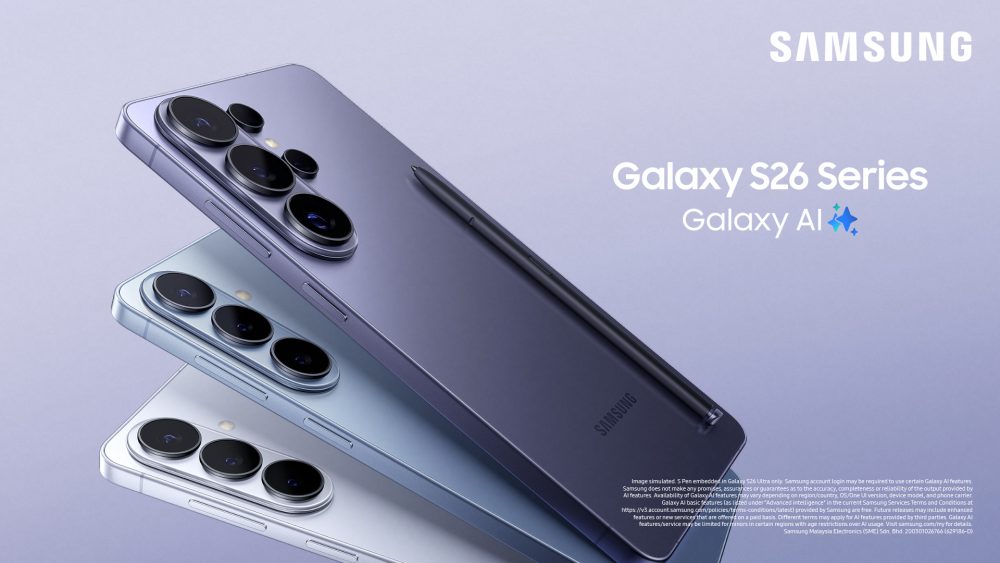
When Samsung unveiled the Galaxy S26 series on February 25, 2026, it redefined the real battleground of mobile computing. This is a signal that AI is no longer a cloud feature …. it’s a device imperative. (Samsung Unpacked 2026)
Gone are the days when smartphones competed purely on processor benchmarks or megapixels. Meanwhile, the S26 launch pivoted the battlefield to 𝗔𝗴𝗲𝗻𝘁𝗶𝗰 𝗔𝗜 …. meaning autonomous, on‑device, real‑time intelligence, not remote cloud assistants. That’s a tectonic shift in user experience that echoes larger platform movements we’re seeing across the tech ecosystem.
At the core of this strategy are tools like 𝗔𝘂𝗱𝗶𝗼 𝗘𝗿𝗮𝘀𝗲𝗿, which can intelligently strip unwanted sounds from video on the fly, without sending data to a server.
Likewise, this is the same class of functionality Apple, Google, and Meta are racing to deliver …. but Samsung is embedding it directly into the silicon. (Samsung Press Release, February 25, 2026)
CEO Han Jong‑hee himself framed the S26 launch not as a product refresh, but as a re‑platforming of mobile intelligence:
“𝘐𝘯 𝘢 𝘸𝘰𝘳𝘭𝘥 𝘸𝘩𝘦𝘳𝘦 𝘥𝘪𝘨𝘪𝘵𝘢𝘭 𝘦𝘹𝘱𝘦𝘳𝘪𝘦𝘯𝘤𝘦𝘴 𝘢𝘳𝘦 𝘥𝘦𝘧𝘪𝘯𝘦𝘥 𝘣𝘺 𝘱𝘦𝘳𝘴𝘰𝘯𝘢𝘭 𝘪𝘮𝘮𝘦𝘥𝘪𝘢𝘤𝘺, 𝘰𝘯‑𝘥𝘦𝘷𝘪𝘤𝘦 𝘈𝘐 𝘪𝘴 𝘯𝘰 𝘭𝘰𝘯𝘨𝘦𝘳 𝘢 𝘭𝘶𝘹𝘶𝘳𝘺 𝘪𝘵 𝘪𝘴 𝘵𝘩𝘦 𝘧𝘰𝘶𝘯𝘥𝘢𝘵𝘪𝘰𝘯 𝘰𝘧 𝘦𝘷𝘦𝘳𝘺𝘥𝘢𝘺 𝘤𝘰𝘮𝘱𝘶𝘵𝘪𝘯𝘨.” (Samsung Unpacked Keynote, 2026)
Let’s unpack why this matters:
𝗢𝗻‑𝗱𝗲𝘃𝗶𝗰𝗲 𝗔𝗜 𝗿𝗲𝘀𝗲𝘁𝘀 𝗽𝗿𝗶𝘃𝗮𝗰𝘆 𝗲𝗰𝗼𝗻𝗼𝗺𝗶𝗰𝘀. Samsung shifts the value chain away from cloud dependency, by executing inference locally … reducing latency, lowering data costs, and protecting user intent from surveillance monetization. This mirrors Apple’s Secure Enclave strategy but scaled into real‑time media processing.
Meanwhile, 𝗿𝗲𝗮𝗹‑𝘁𝗶𝗺𝗲 𝗔𝗜 𝘁𝘂𝗿𝗻𝘀 𝗲𝘃𝗲𝗿𝘆 𝘂𝘀𝗲𝗿 𝗺𝗼𝗺𝗲𝗻𝘁 𝗶𝗻𝘁𝗼 𝗮𝗻 𝗼𝘂𝘁𝗰𝗼𝗺𝗲. Tools like Audio Eraser and generative camera features don’t just assist users … they complete tasks. That’s the difference between reactive tech and proactive productivity.
This is a cross‑industry inflection point. Brands like Adobe, TikTok, and YouTube already prioritise real‑time media editing experiences because users expect instantaneous control. Samsung just baked that expectation into the hardware layer … compressing what once was a multi‑app workflow into a single device experience.
The strategic gravity of Agentic AI cannot be overstated. This isn’t about AI augmenting apps. It’s about AI redefining device identity. Samsung isn’t selling a phone. It’s selling autonomy … a device that behaves like a trusted computational partner.
To put this in context:
Google’s Tensor G3 chip was designed for AI workloads.
Meanwhile, Apple’s Neural Engine pushes on‑device machine learning.
Likewise, Meta’s Reality Labs bets on embodied AI reality.
But Samsung’s S26 launch warns a unifying truth: AI’s future lives at the intersection of immediacy, privacy, and agency. Where the silicon can act without network latency and without trading user data for service.
This is not a feature update. This is a competitive repositioning. AI is becoming a core architecture, not an add‑on service.
And Samsung just pulled the industry’s spotlight toward AI at the edge … the moment where personalization, performance, and privacy converge.
Samsung launched the next era of mobile intelligence, not just a phone.
© The Marketing Maven

